
Joshua Tree Is Not Empty. It Sustains Us.
Photography © Paul Martinez
A recent National Park Service report shows how deeply the park supports local communities, reminding us that conservation and economy are not opposing forces but part of the same system.
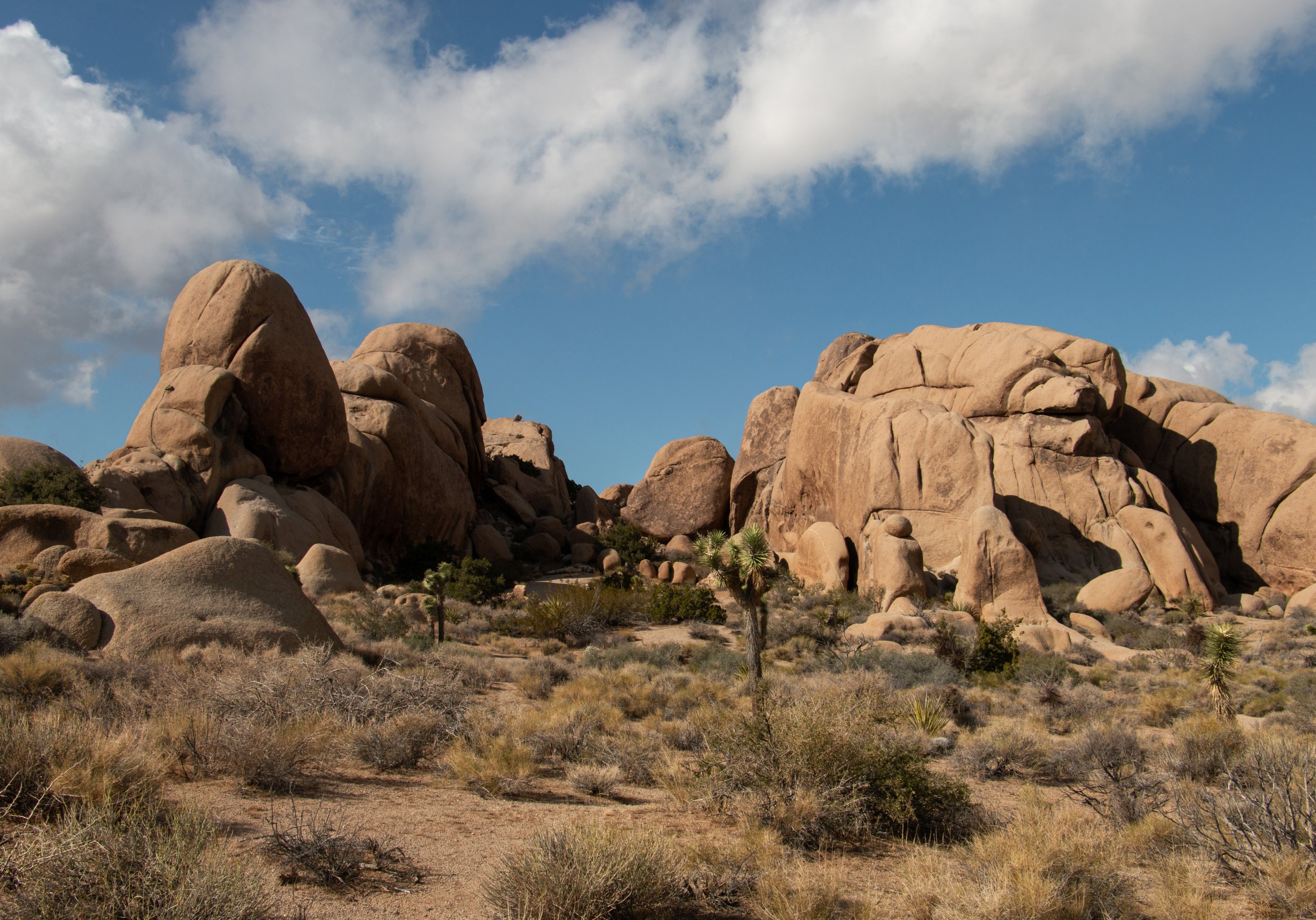
Spend enough time in the desert and the illusion of emptiness begins to fall apart.
Joshua Tree National Park is often described in terms of what it lacks: water, shade, density, noise. To the uninitiated, it can appear vast and spare, a landscape defined by absence. But a recent report from the National Park Service tells a different story, one that reveals just how much this place quietly gives back.
In 2024, visitors to Joshua Tree National Park generated $214 million in economic output for surrounding communities. Nearly 3 million people spent $179 million in nearby towns, supporting more than 1,600 jobs in hospitality, recreation, retail, and food service. For a region often perceived as remote or peripheral, the impact is profound.
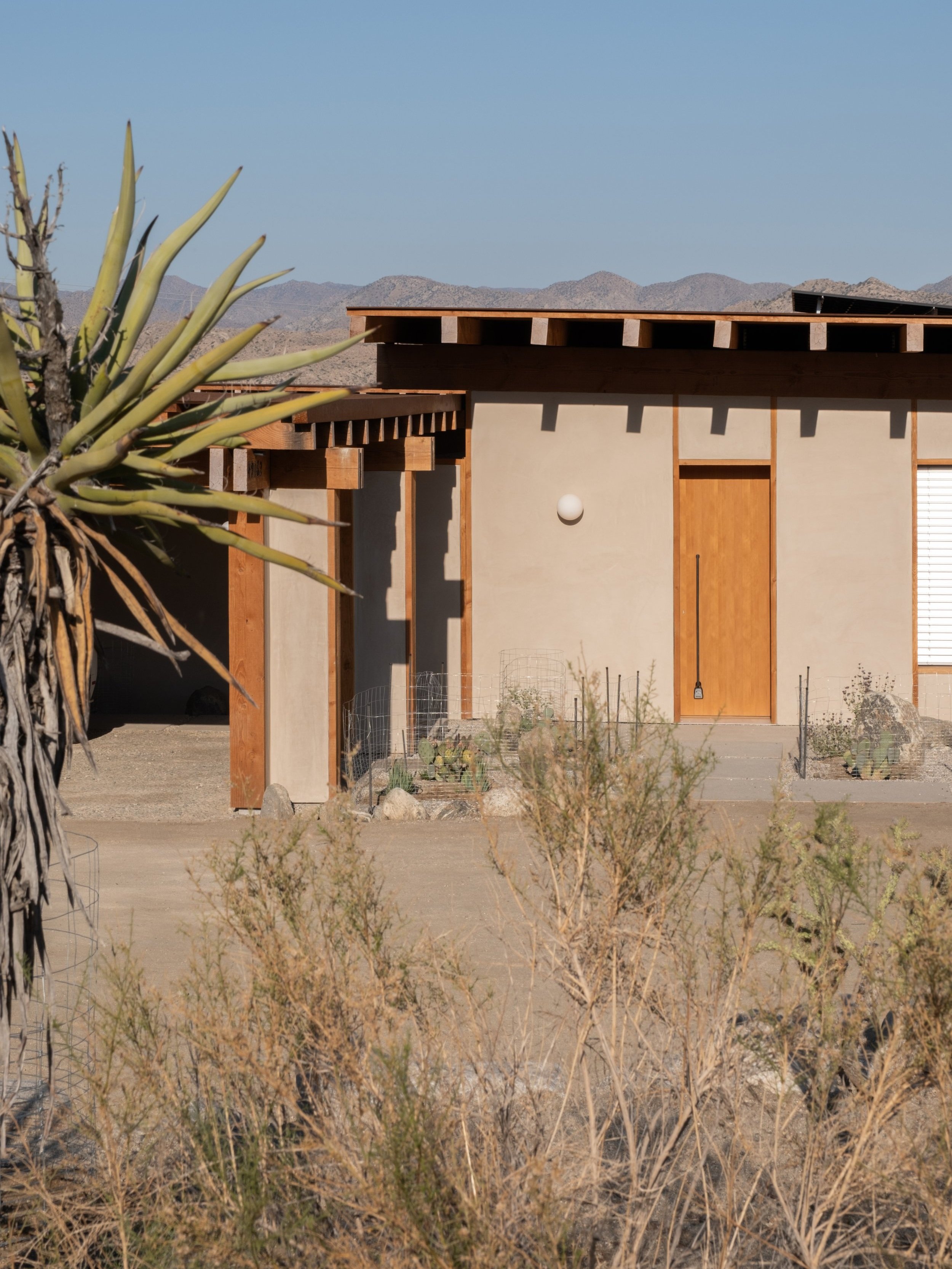

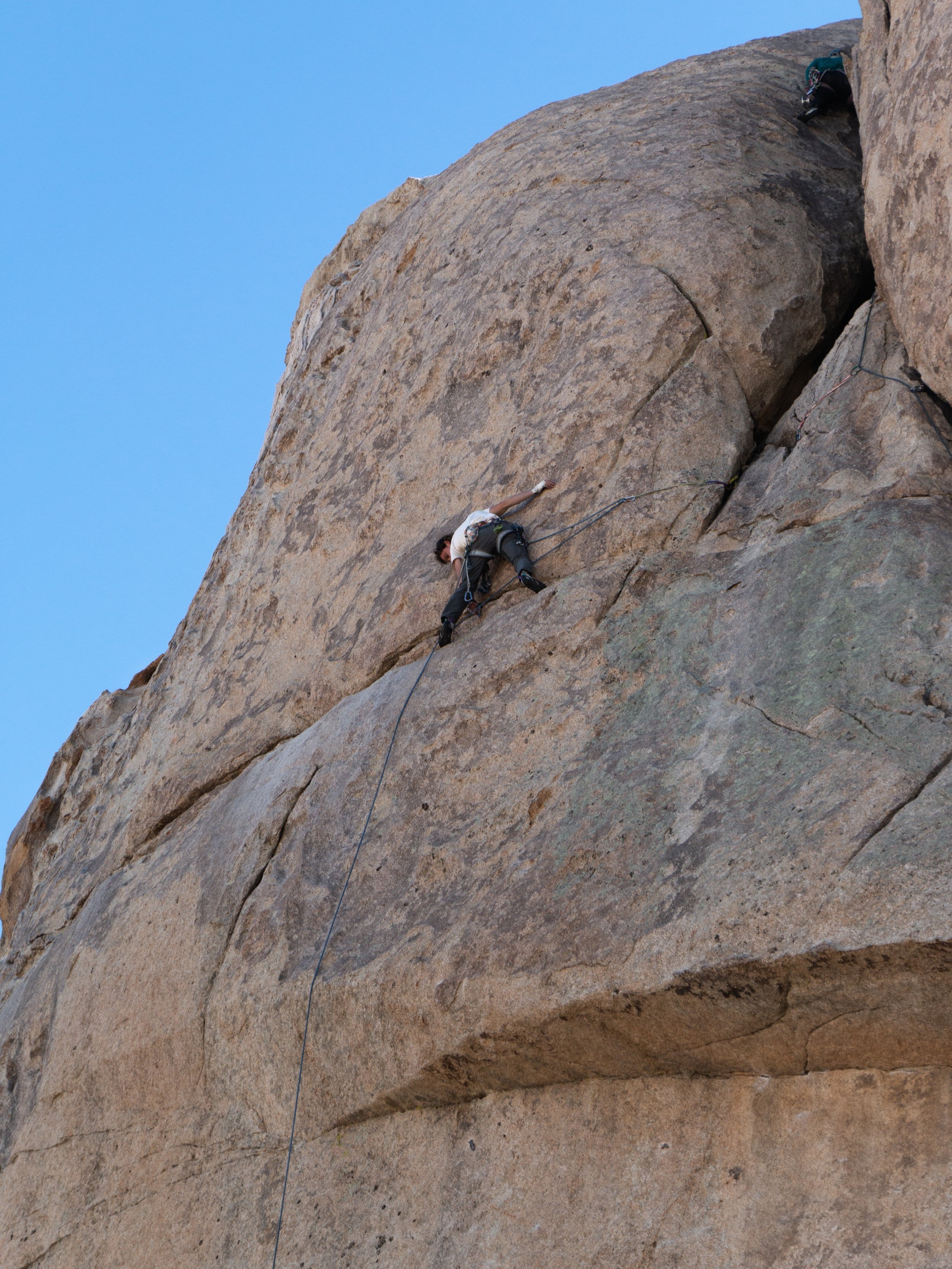
The numbers are striking, but they are not abstract. They translate into paychecks, open doors, stocked shelves, and sustained livelihoods. They ripple through cafés and bakeries on Saturday mornings, through family-run motels and design-forward hotels, through art studios, climbing shops, and conservation organizations that move in rhythm with the seasons.
Joshua Tree’s economy, like its ecology, is an interconnected system. The park is not an isolated preserve, cordoned off from the towns that surround it. It is the gravitational center of a region whose cultural and economic life orbits around it.
It is tempting to imagine national parks as self-contained sanctuaries, protected spaces set apart from everyday concerns. In reality, they are deeply entangled with the lives of the people who live nearby. Every meal had in town, every night spent under a desert sky, every guided hike or gallery visit is part of a shared exchange. The land offers meaning, beauty, and refuge. In return, communities provide stewardship, care, and continuity.
The report underscores this relationship clearly. Lodging and restaurants account for the largest share of visitor spending, followed by recreation, retail, and transportation. But behind each category are people whose lives are shaped by the park’s presence: rangers and scientists, business owners and service workers, artists and educators, many of whom have chosen to remain in this demanding landscape precisely because of what it offers.
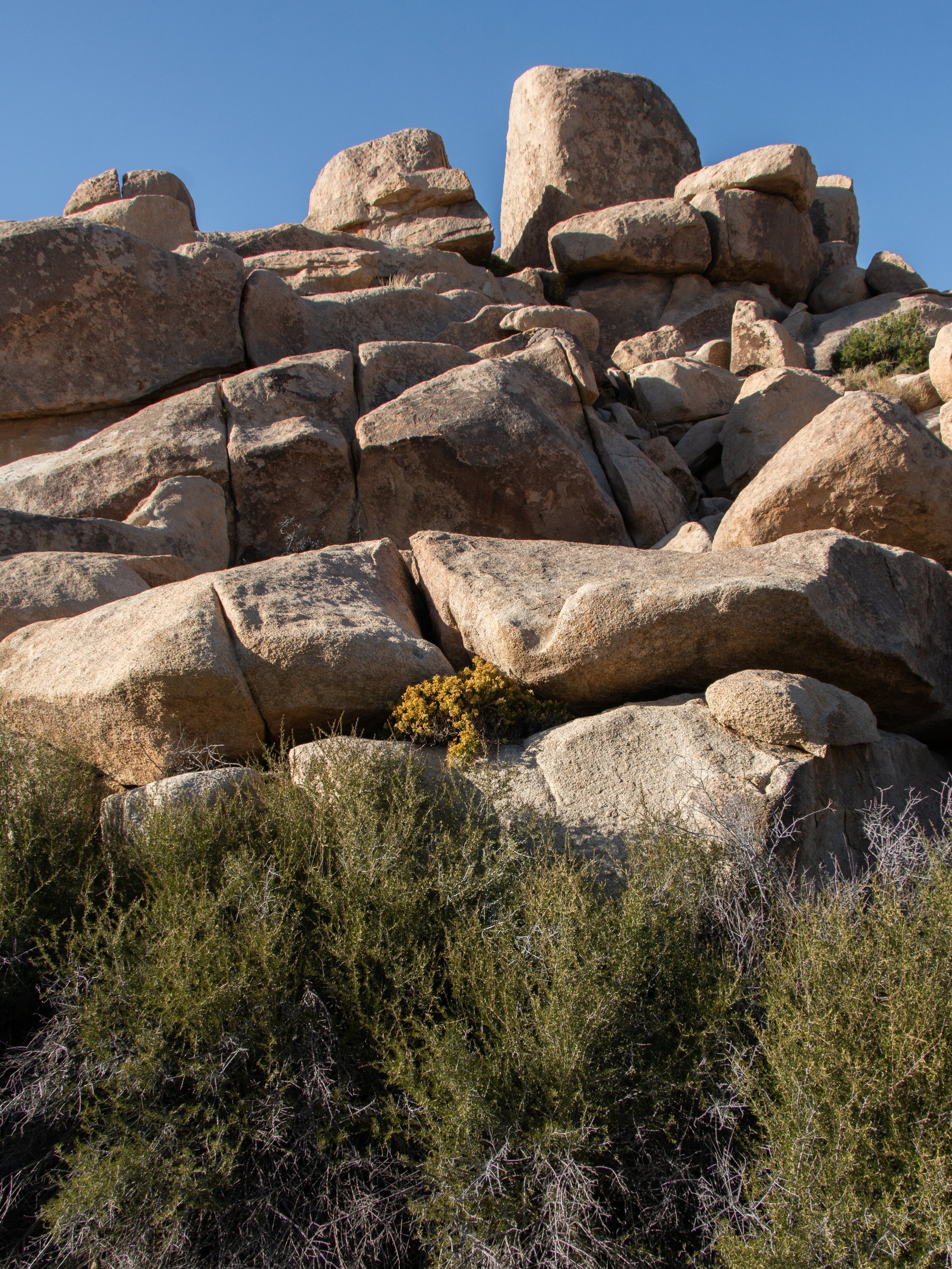

Life in the desert has always required adaptation. Summers are slow and unforgiving. Winters bring long nights and sudden cold. Spring and fall arrive in brief, luminous bursts. Those who stay learn to move with these cycles, much like the plants and animals that have adapted here over millennia.
That parallel is not incidental. The resilience we admire in the desert is mirrored in the communities it supports. Small businesses endure lean months. Artists create between seasons. Conservationists work patiently, often out of public view. Their efforts remind us that stewardship is not only an environmental practice but a social one.
Nationally, the National Park Service reported nearly $56 billion in economic contributions across the United States in 2024. In Joshua Tree, that impact feels especially visible. It appears in the long lines at park entrances on holiday weekends, the full patios in town, the open studio doors, and the steady hum that returns each spring.
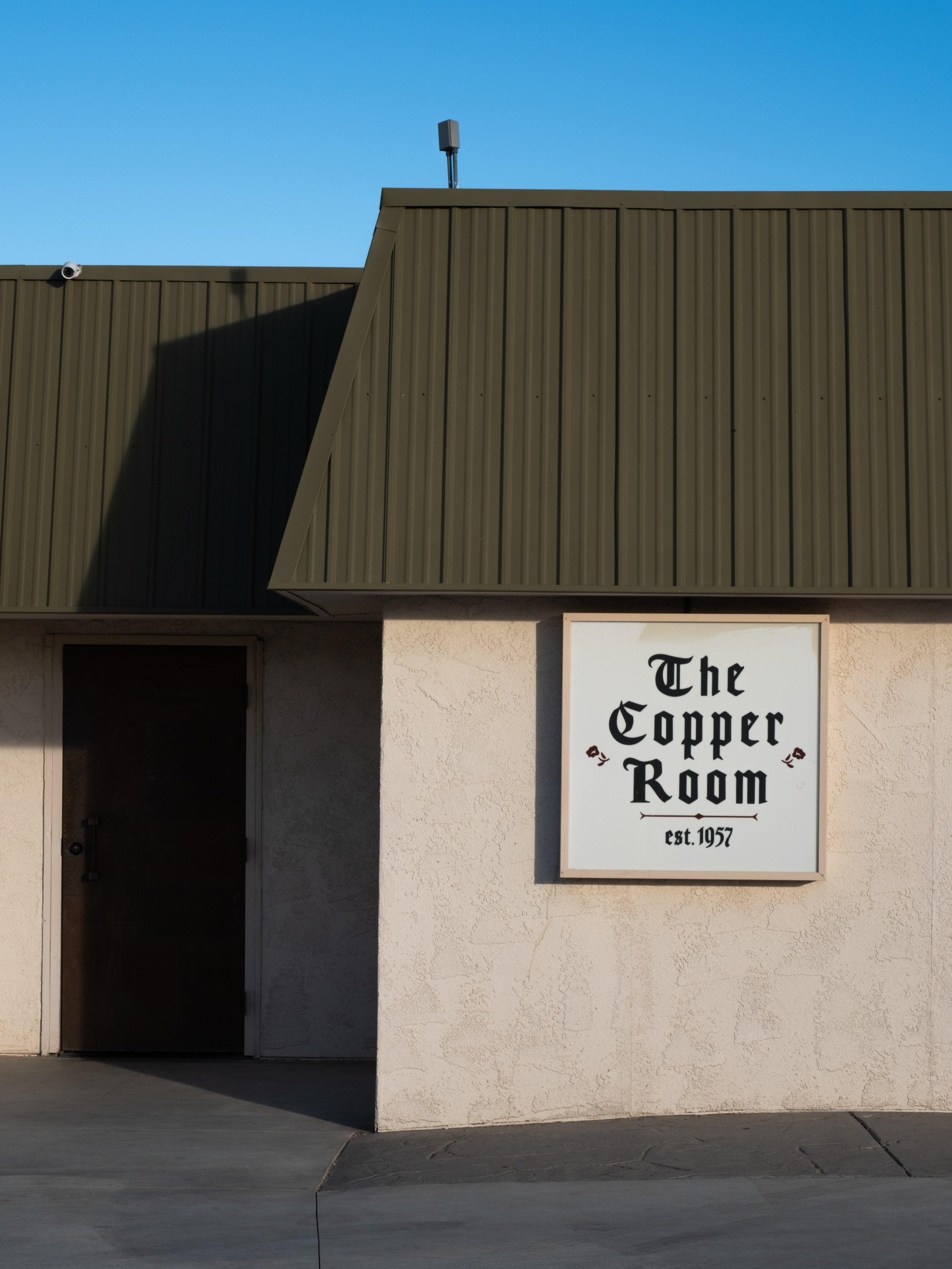
The lesson here is not simply that parks are good for the economy. It is that conservation and community are inseparable. Protecting wild places preserves biodiversity and beauty, but it also sustains livelihoods, fosters creativity, and anchors regional identity.
At sunrise, when light moves slowly across the park’s ridgelines and Joshua trees cast long shadows across the sand, the continuity becomes clear. The land endures. People adapt. And between them flows a quiet understanding that this place gives far more than it takes.
The desert is not empty. It is sustaining us, in ways both visible and unseen.