
The Ecology and Geology of Joshua Tree National Park
Spanning nearly 800,000 acres, Joshua Tree National Park was established to protect a remarkable convergence of natural systems. The park sits at the intersection of three distinct California ecosystems, each contributing to the area's extraordinary biodiversity and visual richness.
-
Occupying the park’s southern and eastern regions, the Colorado Desert is a western extension of the larger Sonoran Desert. This arid landscape is defined by its distinctive plant life, including the tall, spindly ocotillo and the notorious “jumping” cholla cactus, whose barbed joints readily attach to passersby. Despite its harsh conditions, this desert teems with life adapted to the intense heat and minimal rainfall.
-
To the north, the Mojave Desert extends into the park, bringing with it the emblematic Joshua tree (Yucca brevifolia), for which the park is named. These otherworldly, twisted plants dominate much of the western half of the park, thriving in the slightly cooler, higher-elevation environment. This section is also home to unique wildlife, rugged rock formations, and sweeping desert vistas.
-
Above 4,000 feet (1,219 meters) in the Little San Bernardino Mountains, a third ecosystem emerges. Here, cooler temperatures and increased moisture support a woodland community of pinyon pines and California junipers. This area provides essential habitat for wildlife seeking refuge from the more extreme desert zones.
Wildlife
-
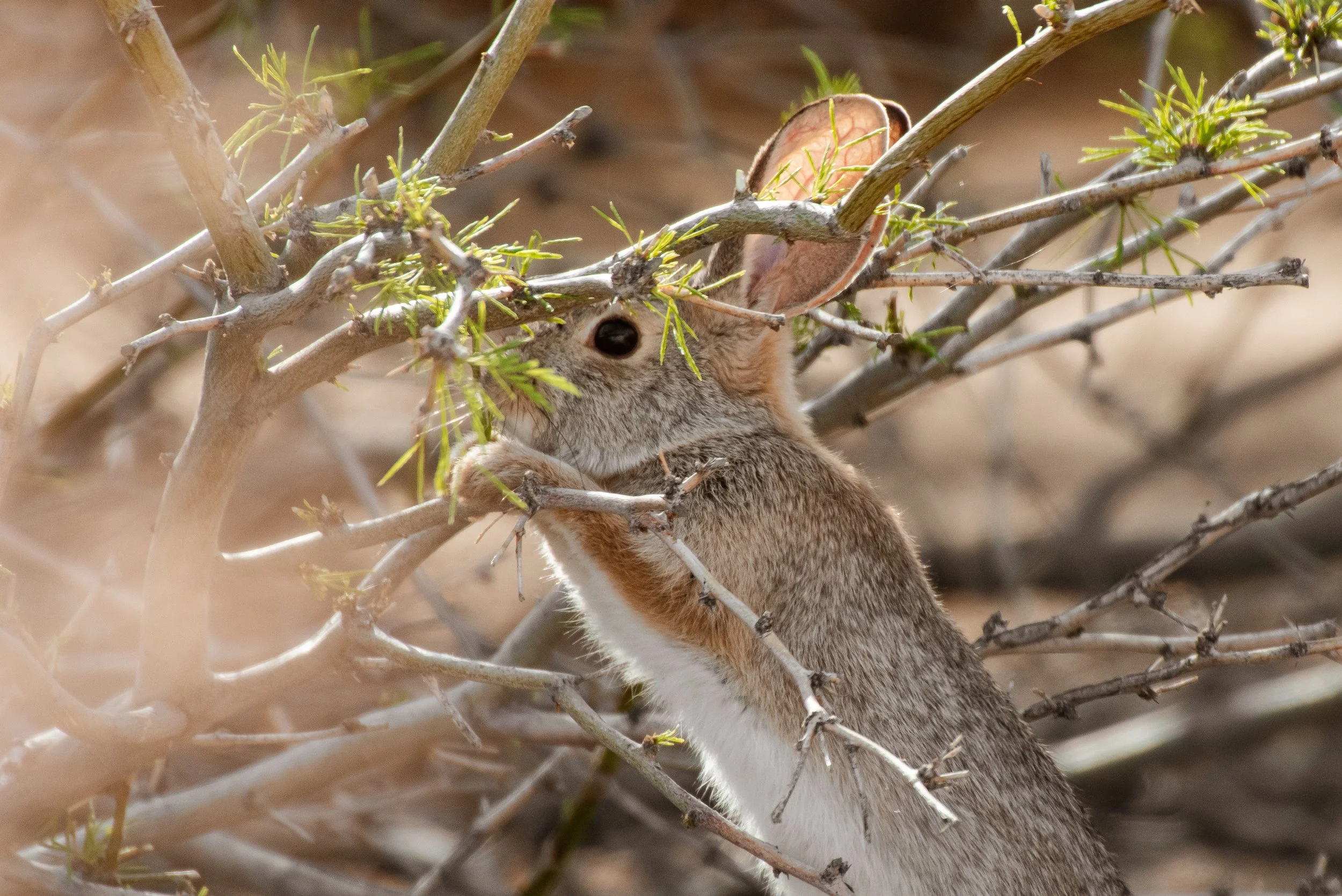
Mammals
Desert mammals range from stealthy mountain lions to bighorn sheep and nimble rodents, each uniquely adapted to arid, rugged environments.
-

Repltiles
Sidewinders, iguanas, and lizards thrive in intense sun and shifting sands, relying on stealth, speed, and temperature control to survive.
-
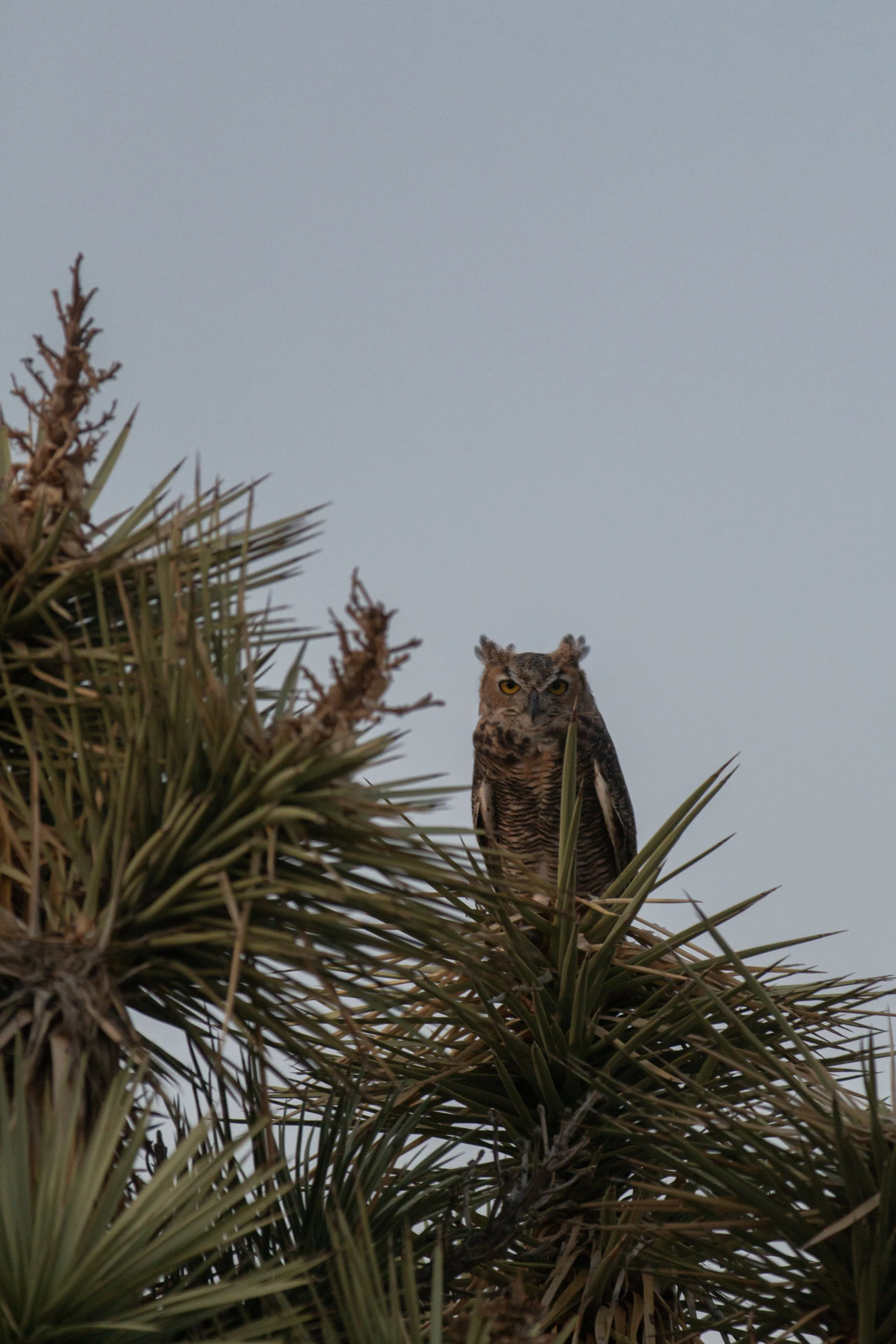
Birds
Birds soar, sing, and migrate through this desert ecosystem, with year-round residents and seasonal guests.
Plants
-
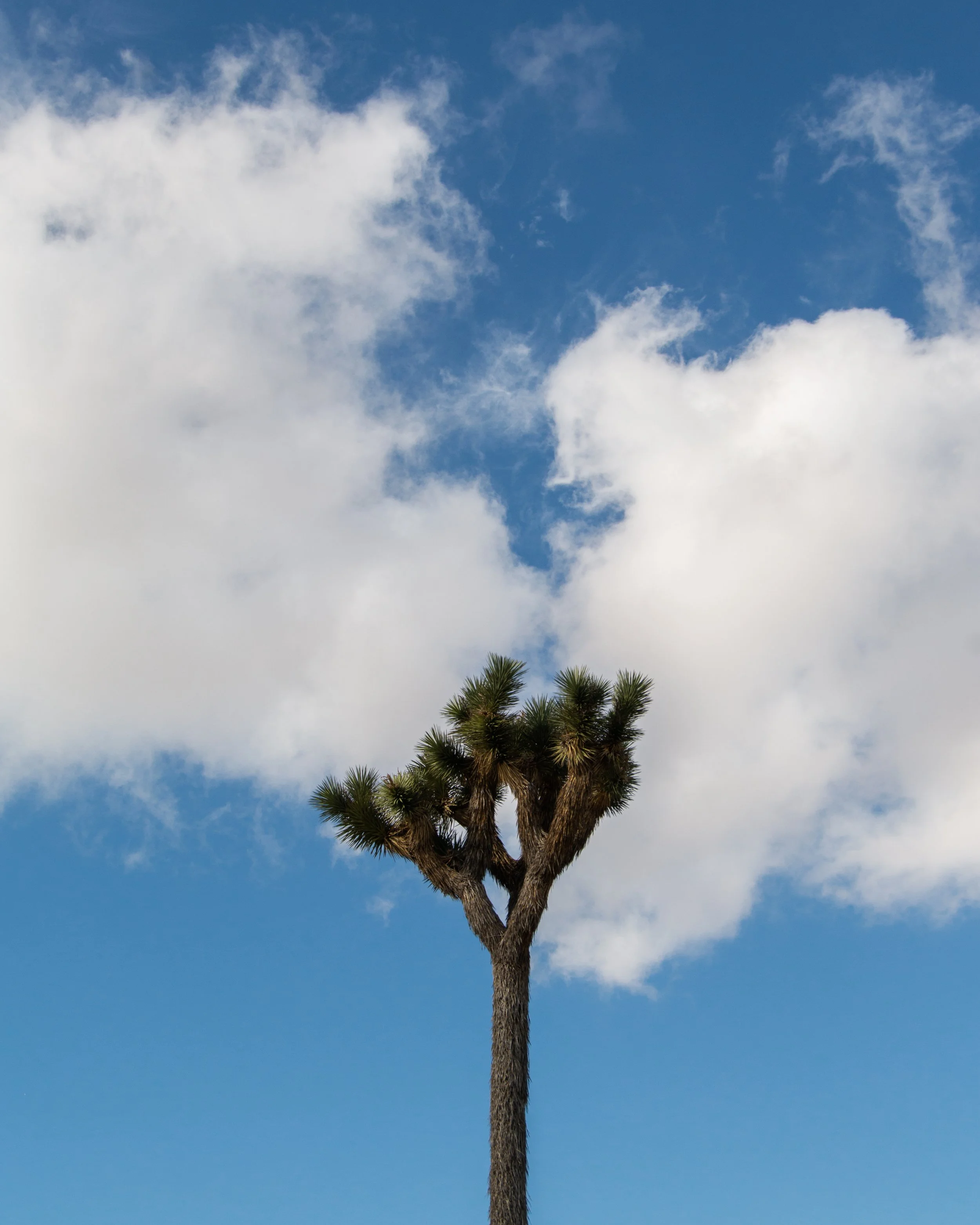
Joshua Trees
Iconic to the Mojave, these twisted, spiky plants are not actually trees but yuccas, growing slowly and living for centuries.
-
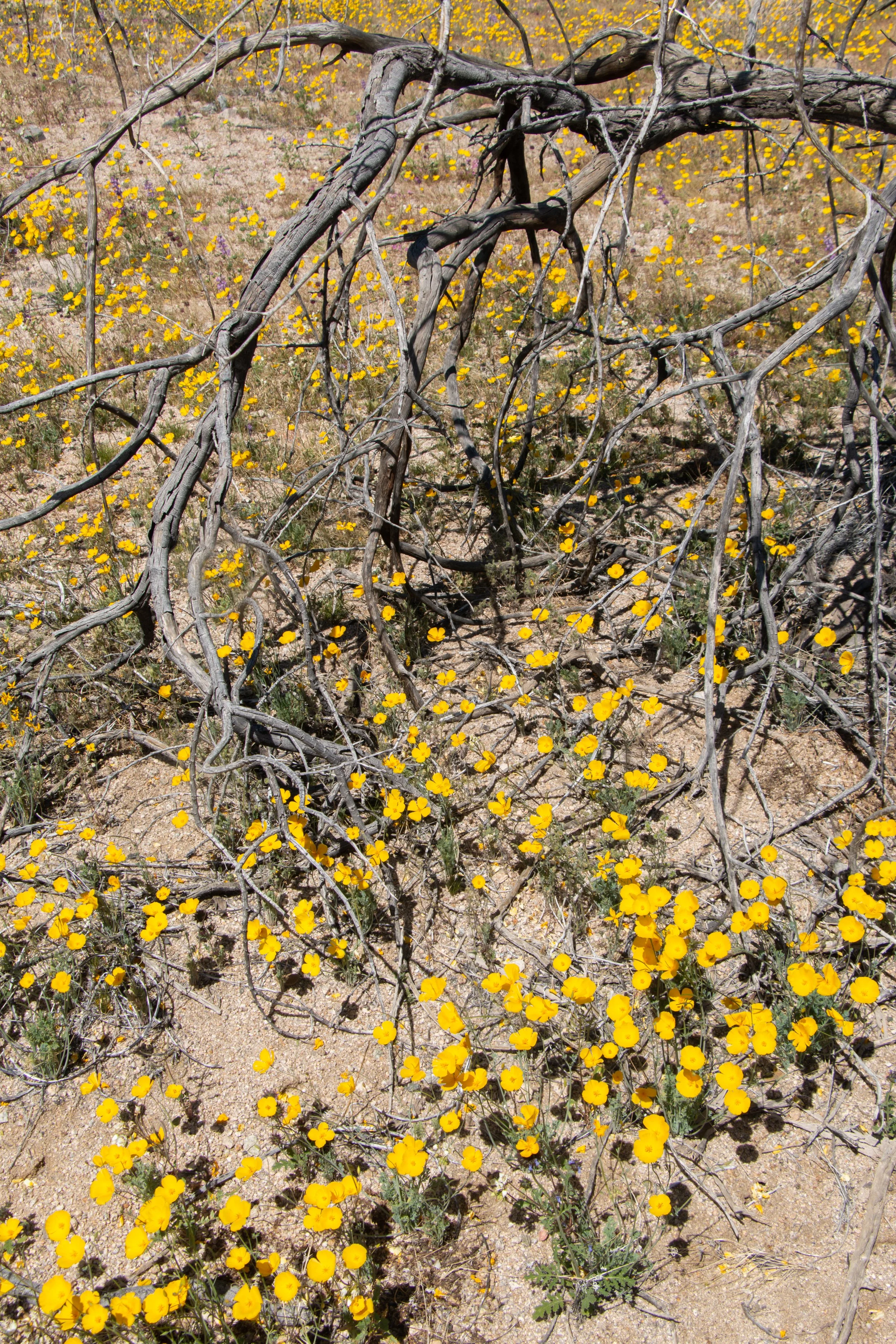
Wildflowers
Wildflower blooms follow seasonal rains, carpeting the desert in vibrant colors.
-
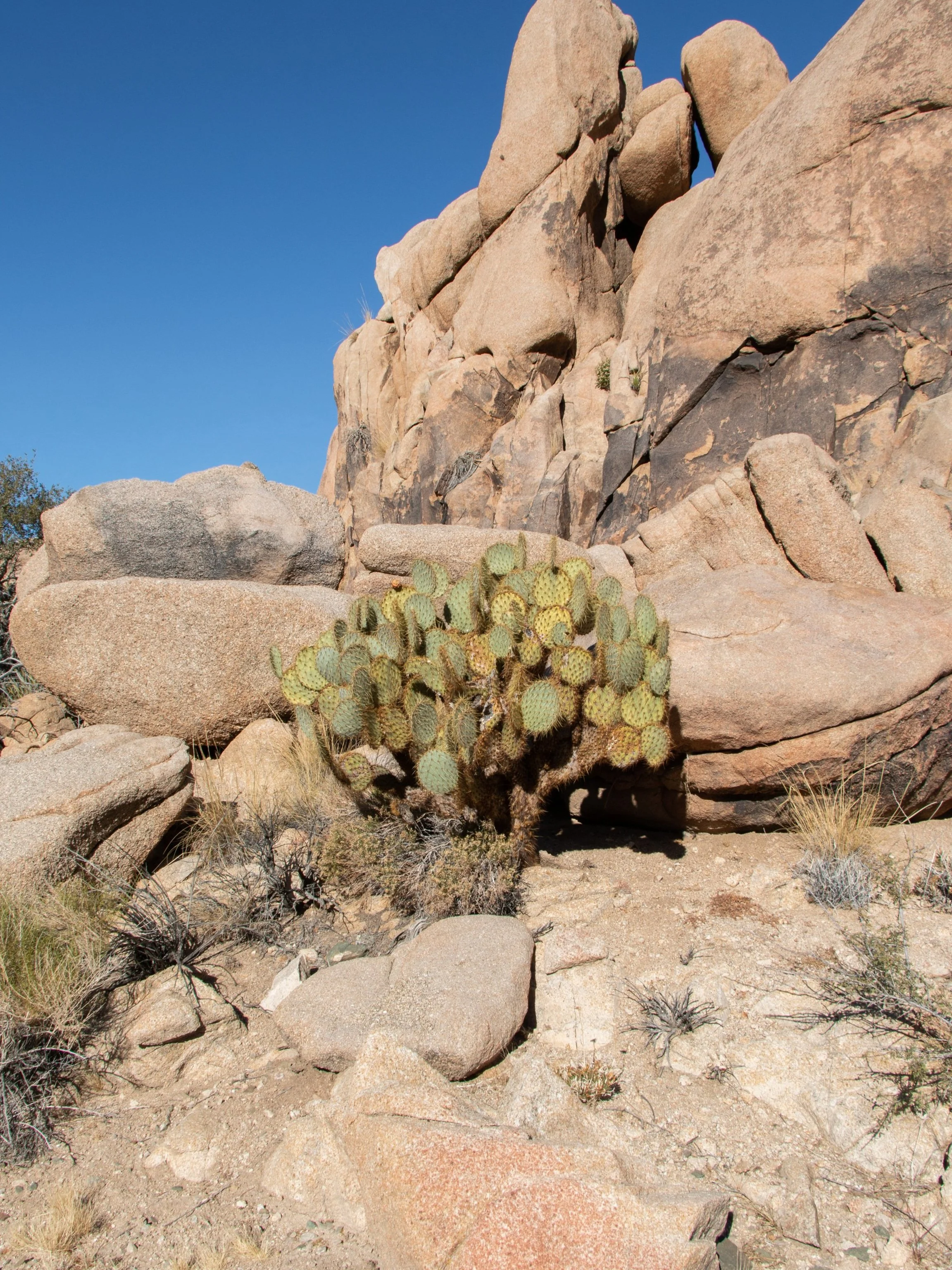
Cactus
Cactus species like cholla and beavertail store water in fleshy stems, using spines for protection in this sun-scorched, arid terrain.